
Wondering what the different triathlon distances are?
This guide explains everything you need to know from the Super Sprint to the challenging Full Ironman. Find out which distance matches your fitness and goals.
As a former national aquathlon champion and competitive triathlete myself, I've experienced various distances.
My journey through the sport, from competitive swimming to running a 31-minute 10 K, has taught me that choosing the right distance is as much about understanding your strengths as it is about pushing your limits.
Whether you're coming from a single-sport background like I did or you're completely new to endurance sports, this guide will help you navigate your triathlon journey.
Key Takeaways
- Triathlons vary in distances, allowing athletes to select events that match their skills, with distances ranging from Super Sprint to Full Ironman.
- Preparation for a triathlon should involve tailored training plans specific to the chosen distance, focusing on swimming, cycling, and running techniques.
- Beginners may decide to start with a super sprint or sprint triathlon to get a feel for the sport.
Overview of Triathlon Distances
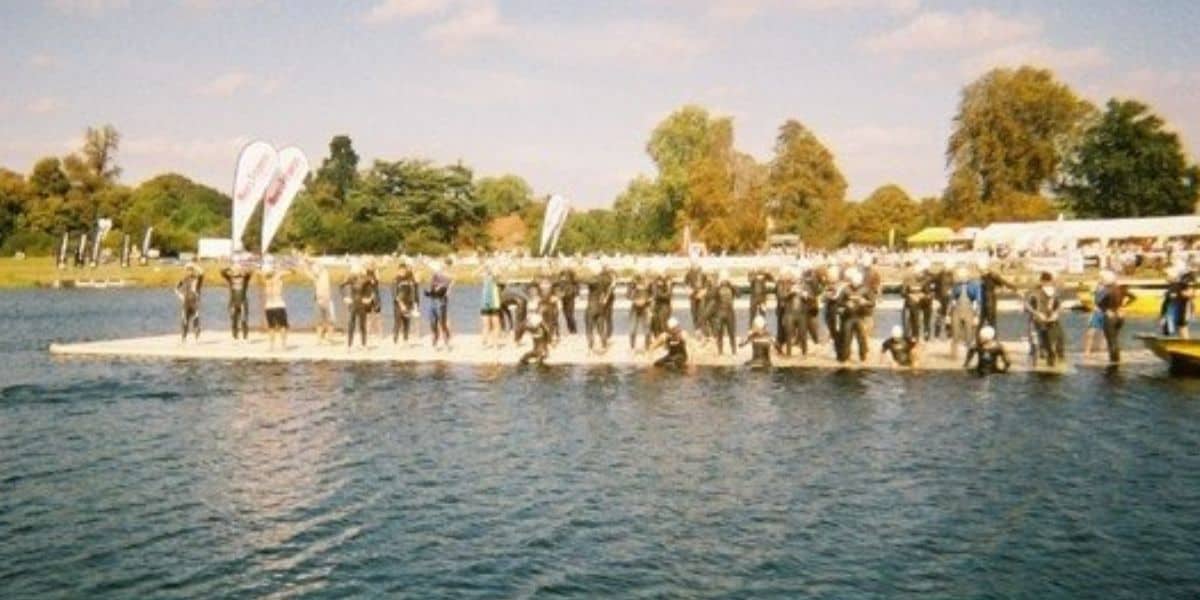
Triathlons come in various distances, each presenting unique challenges and rewards. The main triathlon distances include:
- Super sprint
- Sprint
- Olympic
- Half Ironman
- Full Ironman
Meaning you can choose a distance that aligns with your strengths, weaknesses, current ability, and personal goals
Typical swim distances range from 400 meters to 3.8 kilometers, while biking distances tend to vary from 10 kilometers to 180 kilometers, depending on the type of race.
The run distance tends to be from 2.5k to the full marathon distance at the Ironman.
Super Sprint Triathlon
The super sprint triathlon is often the entry point for beginners, offering shorter distances that make the sport more accessible.
A super sprint triathlon usually consists of a 400-meter swim, a 10-kilometer bike ride, and a 2.5-kilometer run.
These shorter distances and quick race format appeal to those new to the sport, providing a manageable challenge that can be completed without extensive training.
It's a great way to build confidence, learn the sport's basics, and prepare for more challenging distances.
One of the tricky things to learn in triathlon is the transition, so the process of going from swim to bike and bike to run. The clock doesn't stop during the transition, so it's important to get used to this, and the super sprint distance can be the perfect place to learn.
Sprint Triathlon
atch
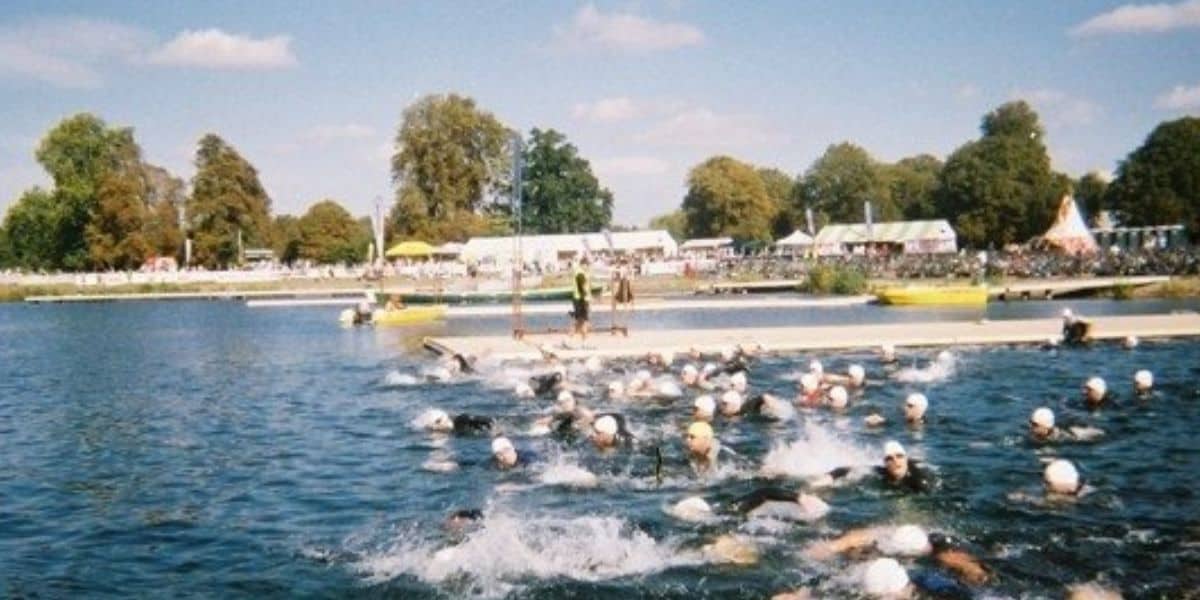
I have competed in these previously. I can certainly confirm you still feel the distance, as it's relative to the pace you race at. Of course, you can go faster over the shorter distances, similar to the 5k and the marathon.
The swim segment typically takes place in a pool, lake, or ocean, adding an element of adventure to the race.
The sprint distance is ideal for beginners and those focused on speed, offering a similar level of exertion as standard distance events, such as the Chicago triathlon, including sprint races.
Popular among age-group triathletes, the sprint triathlon is an ideal stepping stone to longer distances.
As an assistant swimming teacher and running coach, I often recommend the sprint distance for athletes transitioning from single-sport backgrounds.
For example, the 750m swim is manageable for former swimmers (though open water feels very different from pool swimming!), and the 5K run allows competitive runners to showcase their speed.
Olympic Distance Triathlon
The Olympic distance triathlon, also known as the standard triathlon distances, includes a 1.5-kilometer swim, a 40-kilometer bike ride, and a 10-kilometer run.
This distance has been part of the Olympic Games program since 2000, making it one of the most common triathlon distances and a prestigious event for triathletes around the world, particularly in the common triathlon distance and the Olympic triathlon.
The popular triathlon distance is a favorite among many athletes.
The Olympic distance triathlon is challenging yet achievable, with many amateurs finishing in about three hours.
It strikes a balance between the shorter sprint and the demanding half Ironman, thoroughly testing an athlete's endurance and speed in the Olympic competition.
Half Ironman (Ironman 70.3)
The Half Ironman, or Ironman 70.3, involves a 1.9-kilometer swim, a 90-kilometer bike ride, and a 21.1-kilometer run.
This half-iron distance is a significant challenge for many athletes, requiring good physical fitness and specific preparation to perform well at half distance.
Effective cycling in a Half Ironman relies on good aerodynamics and gear selection.
I actually competed in a very rare race format, a half-iron aquathlon, which was a lot of fun, but at the time, I did find the run particularly long after a fast swim.
Full Ironman Triathlon
A full Ironman consists of a 3.8-kilometer swim, a 180-kilometer bike ride, and a marathon run of 42.2 kilometers.
The Ironman distance demands extensive training and endurance, with most participants finishing between 12 and 14 hours.
Finishing an Ironman race and becoming an "Ironman" is a very special achievement.
Strategies for a full Ironman may include maintaining a steady pace or adjusting pace across segments.
The most famous of all Ironman races and probably the most famous in all of triathlon is the Hawaii course.
Understanding Triathlon Race Formats
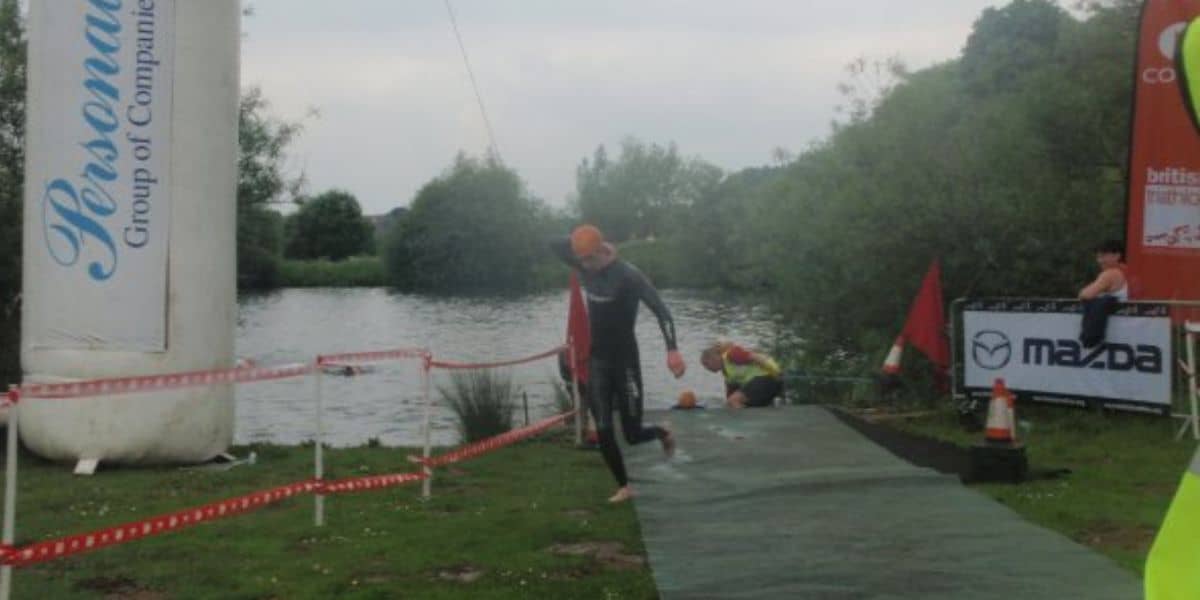
Triathlon race formats vary widely, offering diverse race experiences that keep the sport exciting, and that means you can often find something for you.
The standard structure consists of a swim, bike, and run sequence, where triathletes compete, but the distances and orders can differ significantly, resulting in varied challenges for athletes.
Short-course triathlon racing is characterized as fast and furious, making it an exciting option for many participants.
On the other hand, other races, such as an off-road triathlon involving a mountain bike course and a trail run.
The full Ironman remains the ultimate challenge, testing endurance through long distances in swimming, biking, and running.
Mixed Relay Triathlon
The mixed relay format features alternating male and female athletes competing in succession. This format adds a unique team dynamic to the race, fostering collaboration and strategy among team members.
Supertri Format
The Super League Triathlon was renamed to Supertri in 2024, originally designed for top athletes.
The Supertri events consist of shorter distances, multiple rounds, and quick transitions, emphasizing speed and rapid transitions.
Preparing for Your First Triathlon
Preparing for your first triathlon can be both exciting and daunting.
I would say it's worth starting off with shorter triathlon distances, such as the Super Sprint or Sprint distances.
These events allow beginners to learn the sport, hone their skills, and build fitness without the overwhelming physical demands of longer events.
Before training, it's wise to get a medical check-up. Ensure medical care is available during the race.
Even if you're strong in one or two disciplines like I was, respect the demands of learning three sports.
My swimming background gave me confidence in the water, but I still had to learn open water navigation, sighting, and managing anxiety in mass starts.
Start with what you know, but dedicate time to developing all three disciplines.
Swim Training for Beginners
A sprint triathlon is accessible without extensive training, making it suitable for beginners. Regular swim practice builds confidence and improves technique. Pools offer a controlled environment to focus on form and breathing.
As confidence grows, transitioning to open water swimming can help prepare for race day conditions.
Even as a former competitive swimmer and certified swim coach, my first open water race was humbling.
Pool swimming and open water are completely different.
You can't see the black line, there's no wall to push off from, and you need to learn to "sight" (lift your head to see where you're going).
Practice in open water whenever possible; it's the best thing you can do to prepare for race day nerves.
If you are a real novice swimmer, I would highly recommend some lessons. Swimming is highly technical, and small adjustments to your stroke can really pay dividends in both making you faster and conserving energy.
Bike Training Essentials
Endurance and strength are essential for cycling in triathlons, especially during the bike leg.
Investing in proper cycling gear and practicing on various bike courses can enhance performance and build confidence in this endurance sport.
Hill workouts improve strength and endurance, preparing athletes for race day.
Learning from Experience: The bike was my weakest link when I started triathlon, despite being strong in the water and on the run. I quickly learned that you can't just rely on your other disciplines to carry you. Things like having a proper bike fit, practicing your nutrition on the bike, and getting comfortable with changing gears and handling your bike in all conditions. This makes up the largest distance and time spent in a triathlon, meaning it's certainly worth maximising your gains on.
Run Training Tips
The key focus areas for run training in triathlon include endurance, speed, and efficiency.
During a full Ironman, for example, athletes must manage their running style and energy efficiently.
Regular practice and proper pacing are essential to avoid burnout and ensure a strong finish on race day. Remember, the pace you run in an Ironman marathon is not going to be the same as it would be on fresh legs. Having a GPS watch can really be worthwhile to understand your pacing.
Runner's Insight: As a 31-minute 10K runner, I can tell you that your standalone run times won't translate directly to triathlon. Running off the bike is an entirely different sensation—your legs feel heavy, your cadence is off, and your normal pace feels much harder.
Practice "brick" workouts (bike immediately followed by run) to teach your legs this transition. Your running strength will be an asset, but you need to learn to save it for when it counts.
Training for Different Triathlon Distances
Training plans should be tailored to the specific demands of each triathlon distance.
The approach to triathlon training differs significantly based on the length of the triathlon, requiring tailored strategies for effective preparation.
Proper nutrition and hydration are crucial for maintaining energy levels and ensuring optimal performance during training and on race day.
Sprint Distance Training
Open water practice is essential since it differs from pool swimming.
Focusing on body position and alignment improves swimming technique. Sprint distance training usually includes two swim sessions and at least one swim, bike, and run session weekly.
Beginner swimmers should practice breathing techniques while keeping the head in a neutral position.
These races are short and fast. If you have a strong running background, use your interval training to prepare for the high-intensity nature of these races.
If swimming is your strength, remember that a 30-second lead out of the water can disappear quickly if you haven't developed your bike and run.
Olympic Distance Training
For Olympic distance events, swimming two to three times a week builds endurance.
The training plan should include a base phase to develop aerobic capacity and endurance before more intense workouts.
The Olympic distance is where race strategy becomes crucial. With my aquathlon background, I learned that going too hard in the swim-run format was manageable, but adding a 40K bike in between changed everything.
Half Ironman Training
Training for a Half Ironman should include a mix of endurance sessions and high-intensity intervals to boost performance.
Thorough training is crucial for completing a Half Ironman. Proper preparation and a balanced plan help athletes achieve their goals.
Full Ironman Training
Preparing for a full Ironman involves a structured program with long training sessions that build both physical and mental endurance over several months.
Full Ironman preparation requires long training sessions, often 10-12 hours per week, including weekends.
Preparation for a full Ironman typically spans many months, focusing on gradually increasing volume and incorporating specific race simulation workouts.
Consistency and dedication are key to successfully completing this ultimate endurance challenge.
Summary
Triathlons offer a diverse range of distances and formats, each presenting unique challenges and opportunities for athletes at all levels.
From the introductory super sprint triathlon to the ultimate test of endurance in a full Ironman, there is a race distance suited to every athlete's goals and abilities.
Understanding these distances, preparing adequately, and tailoring training plans accordingly are crucial steps towards successful participation and personal achievement.
My journey from competitive swimming to aquathlon national champion to triathlete has taught me that this sport is as much about the journey as the destination.
Embrace the process, respect each discipline, and enjoy the rewarding experience of being a triathlete.
Frequently Asked Questions
How long is a full Ironman?
A full Ironman triathlon is 140.6 miles, consisting of a 2.4-mile swim, a 112-mile bike ride, and a 26.2-mile run.
What is the best triathlon distance for beginners?
The best triathlon distances for beginners are the super sprint and sprint, as they provide manageable distances that help new athletes build confidence and experience in the sport.
How should I prepare for my first triathlon?
To prepare for your first triathlon, undergo a medical examination, select an appropriate distance such as a super sprint or sprint, and engage in consistent training for swimming, biking, and running. Emphasizing endurance and technique development will be essential for your success.
What is the difference between a sprint triathlon and an Olympic distance triathlon?
The primary difference between a sprint triathlon and an Olympic distance triathlon is the length of each segment; the sprint involves a 750-meter swim, 20-kilometer bike ride, and 5-kilometer run, whereas the Olympic distance comprises a 1.5-kilometer swim, 40-kilometer bike ride, and 10-kilometer run, making the Olympic distance twice as long.
