
Looking to stay motivated in your running routine? Running challenges can provide the structure and accountability you need - but not all challenges are created equal.
As a UESCA Certified Running Coach with a 31:10 10k and 1:09 half marathon, I've completed dozens of running challenges throughout my career.
Some pushed me to new levels. Others left me injured and frustrated. I'll share what actually works, along with the mistakes I've made so you don't have to repeat them.
Key Takeaways
- Running challenges work best when they align with your actual training goals - not just for the sake of doing a challenge
- Consistency beats intensity: sustainable mileage matters more than extreme one-off efforts
- Recovery isn't optional - it's where the adaptation happens
- Virtual challenges serve a different purpose than racing, and both have value
Why Running Challenges Work (When Done Right)

Most runners don't lack ability. They lack structure and accountability.
A well-chosen challenge gives you both. It creates a framework that keeps you showing up, even when motivation dips. It gives you something concrete to work toward between races.
But a challenge should complement your training goals, not derail them. I've seen too many runners chase challenges that look impressive on Strava but set back their actual race goals by months.
The question isn't "Can I complete this challenge?" It's "Will this challenge make me a better runner for what I'm actually trying to achieve?"
Monthly Running Challenges for Building Consistency
Monthly challenges work because they're long enough to build habits but short enough to maintain focus. Here are the ones that deliver real results.
The Modified Run Streak Challenge
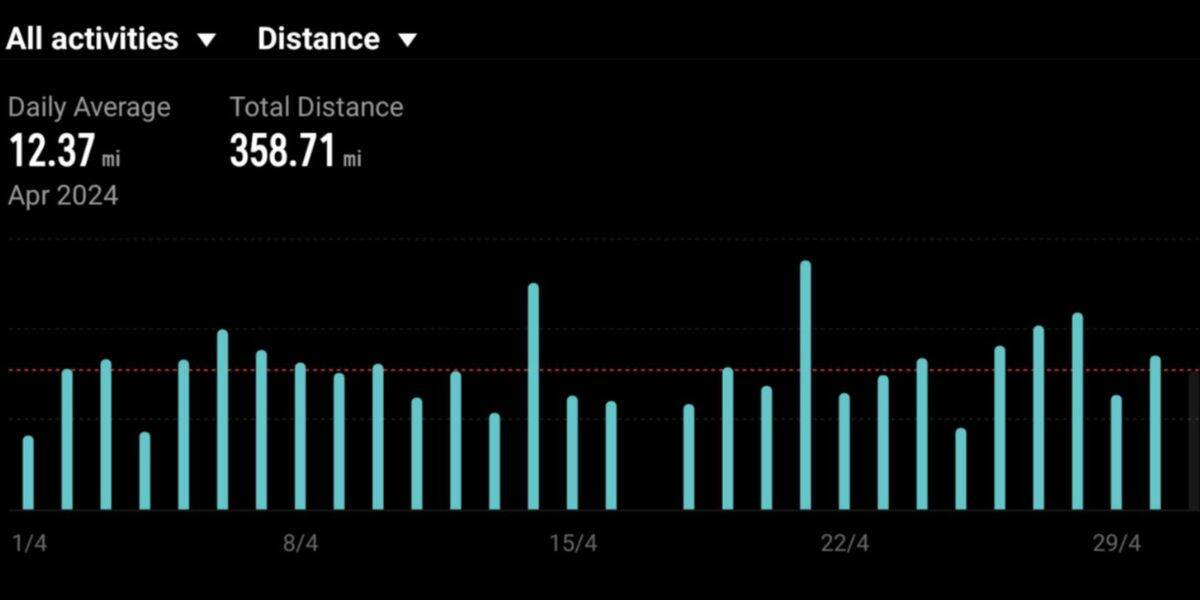
Screen shot from coros app showing runs and days off during a training period
The classic 30-day run streak - running at least 1 mile or 10 minutes every single day - gets a lot of attention. And for good reason: it builds the habit of daily running.
But here's my take after years in the sport: while many high-level runners I know run every day without issue, that's often after years of building adaptation. Progressive building is key.
My recommendation: Try a modified version. Run 5-6 days per week for 30 days, allowing yourself strategic rest days. This builds consistency without the injury risk that comes from never allowing recovery.
I regularly maintain 70-80 mile weeks, but even at that volume, I'm strategic about when I push and when I back off. Consistency over years matters more than a perfect 30-day streak.
The Weekly Mileage Target
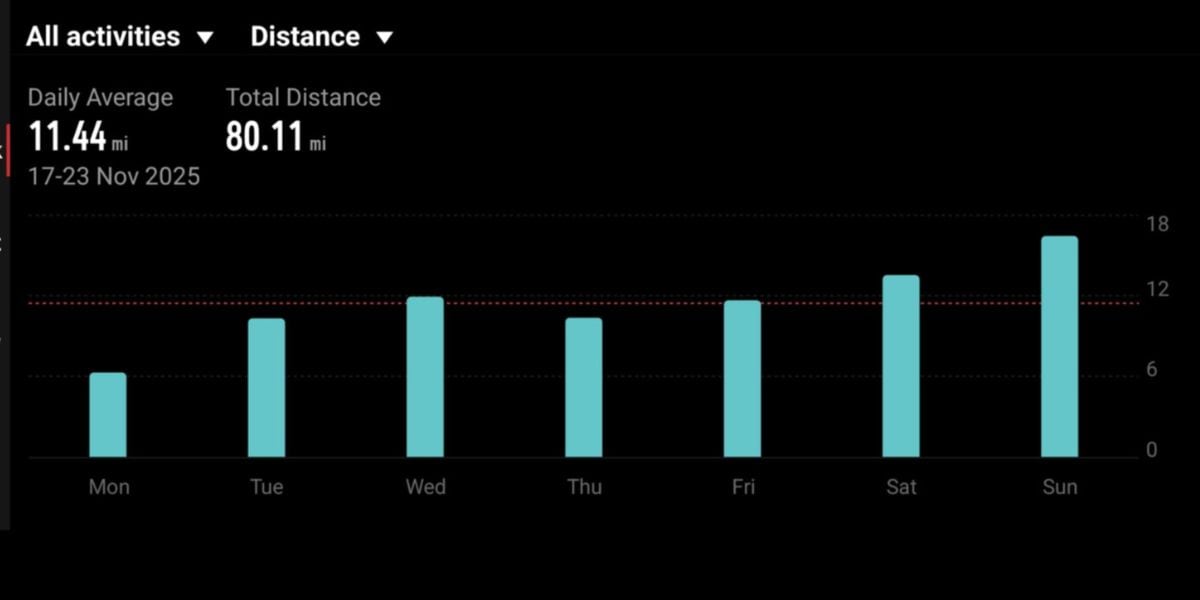
Coros App: showing weekly running miles
Rather than focusing on daily streaks, I prefer challenges based on weekly mileage targets. This gives you flexibility in how you distribute the work.
Try this: Commit to a specific weekly mileage for 4 weeks (adjust the target to match your current fitness level). You might run 8 miles on Monday, 6 on Tuesday, take Wednesday off, run 10 on Thursday, 6 on Friday, rest Saturday, and do a 10-mile long run Sunday.
This flexibility lets you listen to your body while still hitting your target. Some days you'll feel great and can push. Other days, you adjust.
When I'm running 80-mile weeks, I don't force 11.4 miles every single day. I might run 6 miles one day and 15 the next, ensuring I'm recovering properly while maintaining the volume I need.
The Negative Split Long Run Challenge
This one actually improves your racing ability: run three long runs in a month where you complete the second half faster than the first.
Negative splitting teaches pacing discipline and mental toughness. It's also how you should be running most races. Starting controlled and finishing strong is the mark of a well-executed race.
How to do it: On your long run day, run the first half at your easy pace, then gradually increase to marathon pace or slightly faster for the second half. Track your splits to ensure you're actually running the second half faster.
This challenge has direct carryover to race performance, unlike many challenges that just accumulate junk miles.
The Mile PR Challenge
At the start of the month, time yourself running a hard mile. Then spend the month incorporating speed work, and retest at the end.
I ran a 15-minute 5k on the treadmill during my buildup to my 31:10 10k. That sub-5:00/mile pace for 5k didn't happen by accident - it came from consistent speed work and testing myself regularly.
The workout structure: Include one speed session per week (intervals at 5k pace or faster), one tempo run, and maintain your mileage. Retest your mile every 2 weeks to track improvement.
For runners chasing PRs at any distance, improving your raw speed creates a bigger aerobic engine for everything else.
Distance-Based Challenges
Half Marathon Challenges

Virtual half marathons are excellent, especially if you're building toward a longer goal or want to test fitness without the expense and logistics of traveling to races.
I ran a virtual half marathon in 1:15 - it gave me a solid fitness check and the satisfaction of a time goal without needing to plan around a race calendar.
Why they work: You choose your course, your conditions, and your timing. No standing in ques, no travel, no race fee. Just you versus the clock.
These are particularly valuable if you have family commitments or other reasons that make traveling to races difficult. You still get that competitive element and the satisfaction of hitting a time goal.
Pro tip: Treat it like a real race. Warm up properly, have a pacing plan, and pick a course that's conducive to running your goal pace (not your hilliest route unless you're specifically training for a hilly race).
Full Marathon Challenges
The 26.2-mile challenge is the ultimate test of endurance and planning. But here's where I need to share a cautionary tale.
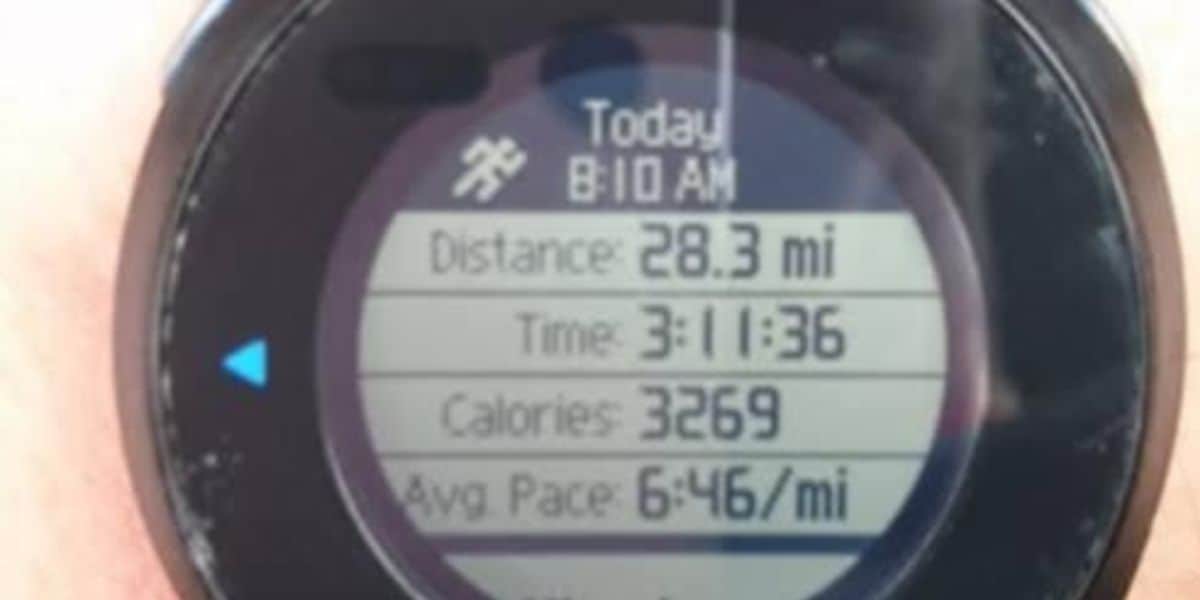
I once ran 28.3 miles at 6:46 per mile pace as a long run challenge. On paper, it was impressive. In reality, it was a mistake.
What went wrong: I didn't recover properly afterward. I jumped back into training too quickly, added in a lot of hill work soon after, and developed an Achilles issue that sidelined me for 4 weeks.
Here's the lesson: a single heroic effort doesn't make you a better runner if it costs you a month of training.
If you're doing a marathon challenge: Build up properly with a structured plan, have a recovery protocol (easy running only for at least a week after), and don't stack intense challenges back to back. Your Achilles, knees, and overall health will thank you.
The fitness you build gradually over months will always trump one impressive effort that breaks you down.
Time-Based Challenges
The 10 Miles Per Day Challenge (Modified)
Running 10 miles every single day for a week sounds straightforward. At 80+ miles per week, I'm already above that average. But here's what I actually do - and what you should consider.
The reality: I don't run exactly 10 miles every day. I run 6 miles one day and 15 the next. I listen to my body and adjust based on how I'm recovering, upcoming workouts, and cumulative fatigue.
The modified challenge: Commit to averaging 10 miles per day over a week (70 miles total) but allow yourself flexibility in how you distribute it. This maintains the volume challenge while respecting recovery.
Run longer when you feel good. Cut it shorter when you're fatigued. Hit the weekly target, but don't be rigid about daily numbers.
This is how sustainable high mileage works in the real world.
The 4x4x48 Challenge
David Goggins' infamous challenge: run 4 miles every 4 hours for 48 hours straight (48 miles total).
Full transparency: I haven't done this one yet, though I want to attempt it when I have a proper block of time and a good recovery period planned afterward.
My coaching perspective: This is for experienced runners only. The combination of disrupted sleep and continuous running significantly increases injury risk. If you attempt this, pace each 4-mile segment conservatively and focus on recovery between efforts as much as possible.
This isn't a challenge to take lightly or do on a whim. Plan it carefully, or skip it entirely. There are plenty of ways to build mental toughness without compromising your health.
Virtual Challenges vs. Real Racing
I'm a fan of virtual challenges, but they serve a different purpose than actual racing.
Virtual challenges are great for:
- Testing fitness on your own schedule
- Runners with families or commitments that make race travel difficult
- Staying motivated between goal races
- Adding competition without the pressure of a race-day environment
Real races offer:
- The energy of other competitors pushing you
- Proper course support and timing
- The atmosphere and experience that makes running memorable
- Often faster times due to competition and adrenaline
Both have value. I use virtual challenges as fitness checks and motivation tools, but my best performances have always come in actual races with other runners around me.
I recommend a mix: build consistency with virtual challenges, but still sign up for a few key races each year where you really test yourself.
The Biggest Mistake Runners Make with Challenges

Here's what I see constantly as a coach: runners choose challenges based on what sounds impressive rather than what serves their actual goals.
Example: You want to run a 40-minute 10k. That requires speed work, tempo runs, and moderate mileage. But you see someone doing a 100-mile month challenge and decide to jump in.
The problem: Ultra-high mileage without the intensity will mean you are not making best use of your training time.
The fix: Ask yourself, "Does this challenge make me better at my actual goal?"
If your goal is marathon endurance, a high-mileage challenge makes sense. If your goal is a faster 5k, you need challenges focused on speed and intensity, not just piling on miles.
Specificity matters. A very long run challenge might feel hardcore, but if it's not specific to your goal distance and takes weeks to recover from, it's counterproductive.
The hierarchy that matters:
- Your actual race goal
- A proper periodized training plan to achieve that goal
- Challenges that complement (not replace) that plan
Always keep the bigger picture in mind.
Setting Up Your Challenge for Success
Make It SMART
Your challenge should be:
- Specific: "Run 50 miles this month" not "run more"
- Measurable: Use a GPS watch or app to track accurately
- Achievable: Challenging but realistic based on your current fitness
- Relevant: Aligned with your actual running goals
- Time-Bound: Clear start and end dates
Plan Your Recovery
This is non-negotiable. Your adaptation happens during recovery, not during the hard efforts.
After any significant challenge (long runs over 18 miles, high-mileage weeks, intense speed work), build in easy days or rest days. Don't stack challenges back-to-back.
My Achilles injury taught me this lesson the expensive way. Don't repeat my mistake.
Track Everything
Use apps or a simple training log to record:
- Daily mileage and pace
- How you felt (energy, soreness, motivation)
- Sleep quality
- Any niggles or pain
This data helps you understand what's working and catch problems before they become injuries.
Community and Accountability

One aspect of challenges that shouldn't be overlooked: they give you something to share and compete around.
Whether you're comparing weekly mileage with training partners, posting progress on social media, or joining a virtual challenge with leaderboards, that social element keeps you accountable.
My recommendation: Find at least one other person to do a challenge with you. Having someone to check in with, compare notes, and push each other makes a huge difference in completion rates.
For example that 28 mile run I mentioned we named it the "January fitness boost" and had other high level runners complete it together along with a coach to help with drinks it did make it a lot of fun.
The runners who succeed long-term aren't just individually motivated - they're part of a community that keeps them engaged.
Final Thoughts: Choose Challenges That Build You Up
Running challenges work when they're strategic, not when they're just hard for the sake of being hard.
The best challenges:
- Build consistency over time
- Align with your actual racing goals
- Include proper recovery protocols
- Push you appropriately for your current fitness level
- Add motivation and fun without adding injury risk
The worst challenges:
- Look impressive but don't serve your goals
- Require extreme efforts without adequate recovery
- Stack intensity on intensity without rest
- Prioritize social media bragging rights over actual improvement
Frequently Asked Questions
What's the best running challenge for different goals?
The best challenge aligns with your specific goal. For building consistency, try a modified 5-6 day per week running challenge for a month. For speed improvement, attempt the mile PR challenge with structured speed work.
How do I avoid injury during running challenges?
Listen to your body, build volume gradually (no more than 10% increase per week), prioritize recovery between hard efforts, and don't stack intense challenges back-to-back.
Should I do virtual challenges or real races?
Both serve valuable purposes. Virtual challenges offer flexibility and convenience, making them great for fitness checks, staying motivated between races, or for runners with family commitments. Real races provide competition, atmosphere, and often bring out your best performance. I recommend a mix of both.
