
As a runner who has achieved a 1:09 half-marathon time, I've had the opportunity to test and experience a wide range of running shoes, including the previous original Alphafly and Alphafly version 2.
I'm excited to share my comprehensive review of the Nike Alphafly 3, a shoe that represents a significant step back towards what made the original Alphafly so special.
In this detailed Nike Alphafly 3 review, I'll explain why I believe this shoe is a strong addition to any serious marathon runner's collection, though with some important considerations.
What is the Nike Alphafly 3?

Nike released the Nike Alphafly 3 in early 2024.
The Alphafly 3 sits at the very top of Nike's running shoe lineup, positioned as their premium racing shoe.
It's particularly aimed at marathon runners, though as we'll discuss later, its versatility extends to half-marathon racing and specific training scenarios.
The Alphafly 3 shares the spotlight with the extremely popular Nike Vaporfly range, another widely used racing shoe among runners worldwide.
While both shoes are designed for speed, they have some distinct differences that we'll explore throughout this review.
The shoe is known for its exceptional efficiency and comfort, particularly over longer distances, making it a favorite among elite athletes. Nike claims this is their lightest Alphafly ever, with improved stability and a fully connected ZoomX foam midsole.
The great Kelvin Kiptum broke the Marathon world record while using the Alphafly 3 - That is some verification of this shoe.
Who Created the Alphafly 3?
Of course, the Alphafly 3 is a Nike shoe and a product of Nike's innovative design team. It follows in the footsteps of the original Alphafly and version 2, with Nike working to refine and improve upon the formula.
The development of the Alphafly 3 represents Nike's response to feedback about version 2, which many runners found less appealing than the original. Version 3 aims to recapture some of the magic of version 1 while incorporating new technologies and design improvements.
Creating the Alphafly 3 is part of Nike's ongoing commitment to pushing the boundaries of running shoe technology, whilst also making the shoe more accessible to a wider range of runners through increased stability.
Top Benefits of the Nike Alphafly 3

Dual Air Zoom Units: One of the key differentiators between the Alphafly and the Vaporfly is the dual Air Zoom pods in the forefoot. These units provide an unparalleled sense of responsiveness and that classic "bounce" sensation.
When running in the Alphafly 3, you can feel these pods working, giving you a distinct sensation of being propelled forward with each stride. This technology is particularly beneficial during longer races or training runs, where maintaining your pace can become challenging as fatigue sets in.
Lighter Weight: Nike's lightest Alphafly ever at approximately 218g for a UK size 9. This weight reduction compared to version 2 makes the shoe feel more responsive whilst maintaining the cushioning that marathon runners need.
Enhanced Upper Design: The all-new AtomKnit upper offers significantly improved lockdown compared to previous versions, with better breathability and a more secure fit throughout the shoe.
The Best Features of the Nike Alphafly 3

Dual Air Zoom Units
The Air Zoom units are strategically located in the forefoot, providing excellent energy return and propelling you forward with each step, whilst also offering superior shock absorption.
Fully Connected ZoomX Foam
Nike has implemented a fully connected ZoomX foam midsole and outsole. This provides runners with a smooth transition and optimized responsiveness throughout the gait cycle.
The foam for me feels noticeably softer than version 2.
Wider Carbon-Fiber Flyplate
The Alphafly 3 incorporates a full-length carbon fiber plate, similar to previous versions.
However, Nike has made this plate slightly wider for increased stability. This plate serves multiple purposes: it adds rigidity to the shoe, which helps in energy transfer and forward propulsion, and works in harmony with the Air Zoom units and ZoomX foam.
All-New AtomKnit Upper
The AtomKnit upper is a significant improvement over previous versions.
The material is lightweight and highly breathable, with the front two-thirds being completely see-through for maximum ventilation. The rear third features additional structure for support.
The integrated knit tongue with lofted padding effectively alleviates lace pressure, and the notched laces provide a secure but soft lace-up experience.
The Pros and Cons of the Nike Alphafly 3
When investing in a premium running shoe like the Alphafly 3, it's worthwhile to understand its strengths and potential drawbacks.
Pros of the Nike Alphafly 3:
Exceptional Efficiency: The shoe delivers genuine efficiency gains that are measurable. My heart rate data during marathon pace work was significantly lower than expected, demonstrating how the technologies work together to reduce effort at race pace.
Improved Upper and Lockdown: The AtomKnit upper provides significantly better lockdown than version 2 and feels more secure than the original.
Softer, More Forgiving Foam: The ZoomX foam feels much closer to the original Alphafly's characteristics than version 2. It's softer and more forgiving, creating a more cushioned yet responsive ride that marathon runners will appreciate.
Lighter Weight: As Nike's lightest Alphafly, the shoe feels noticeably more responsive than version 2, whilst maintaining the cushioning needed for marathon distances.
Cons of the Nike Alphafly 3
Premium Price Point: At approximately £285, this represents a significant investment. Whilst the performance justifies the cost for serious racers, it's a considerable expense that may not suit all budgets.
High Stack Height: At 40mm in the heel, the substantial stack height may not suit all runners, particularly those with Achilles or calf sensitivity. This is a characteristic of all Alphafly versions, but worth noting.
Requires Further Testing at Top Speeds: Based on initial testing, I need to evaluate how well the shoe handles very fast speeds and whether the wider platform affects nimbleness during racing situations with tight corners or rapid pace changes.
Nike Alphafly 3: The Fit
The fit of the Alphafly 3 represents a significant improvement over version 2.
The AtomKnit upper wraps the foot securely, and the integrated knit tongue with notched laces provides excellent lockdown across the midfoot.
The heel counter and ankle collar are well-designed, with thoughtful padding that cradles the Achilles comfortably. I found the shoe easier to slip on compared to previous versions.
For runners with wider feet, the Alphafly 3's increased platform width may prove beneficial, offering more room than the narrow profile of the original or the Vaporfly series.
Nike Alphafly 3 Alternatives
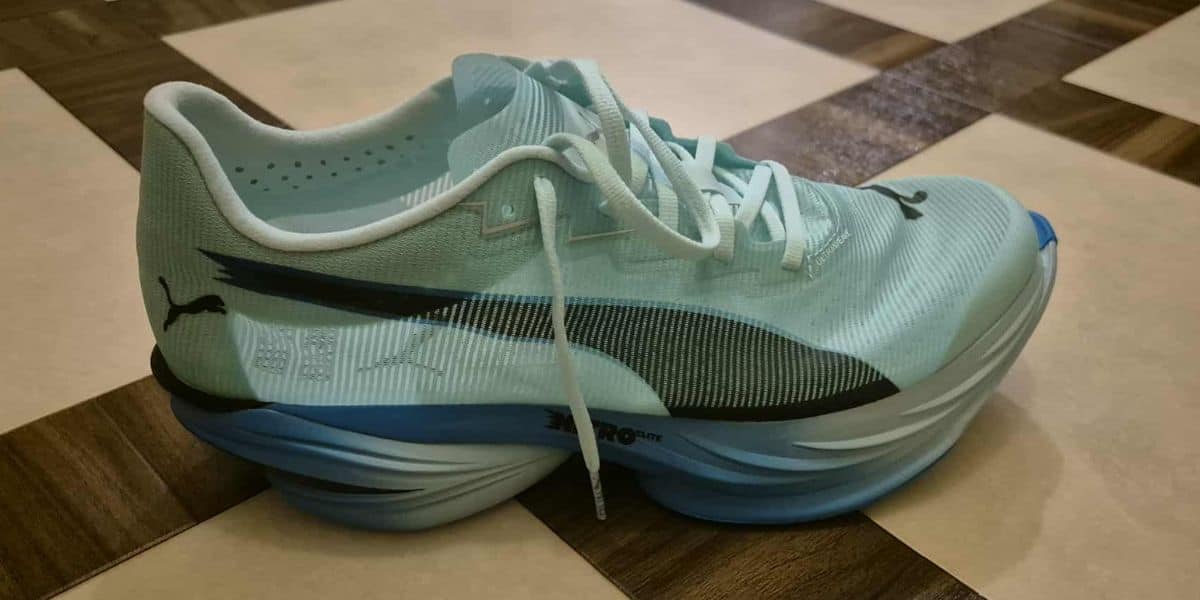
While the Alphafly 3 is undoubtedly one of the best marathon racing shoes available, it's always worth considering alternatives to ensure you find the perfect shoe for your needs. Here are some comparable options:
Puma Fast-R Nitro Elite 3: A highly versatile racing shoe that has earned a permanent spot in my rotation. For runners who race multiple distances throughout the season, this offers compelling performance from 5K upwards.
Adidas Adizero Adios Pro 3: Features carbon-infused energy rods rather than a full carbon plate, providing a different approach to energy return and propulsion.
New Balance FuelCell SuperComp Elite v4: Another strong competitor in the premium marathon racing shoe segment.
How Does the Nike Alphafly 3 Perform in Different Conditions?
Wet Weather: Based on initial testing and the improved outsole design, the Alphafly 3 should perform well in wet conditions. The new rubber compound and traction pattern are designed to provide confidence on wet roads.
Hot/Warm Weather: The AtomKnit upper is highly breathable, with most of the shoe being see-through mesh. During my testing, my feet remained comfortably cool throughout the workout.
Road: This is where the Alphafly 3 excels. The shoe is clearly designed with road racing in mind, and this is where it performs at its best. The grip on road surfaces is excellent, and the shoe responds brilliantly at faster paces.
Track: The shoe can be used for track intervals, though the substantial cushioning may feel like overkill for very short repetitions.
Grass: Performance on short grass is acceptable but not optimal. The shoe's technologies are clearly road-focused, and you'll notice reduced responsiveness on softer surfaces. I wouldn't recommend using it much for grass sessions.
Trail: I would not use the Alphafly 3 on trails, except perhaps on very well-maintained gravel paths. The high stack height and road-oriented outsole are not designed for off-road or technical trail running. Additionally, for a £285 shoe, I prefer to preserve it for road races and key workouts.
How Does the Nike Alphafly 3 Fit into My Current Shoe Rotation?
Marathon Pace Workouts: This is where the Alphafly 3 truly excels. The shoe's responsive nature makes holding marathon pace feel comfortable and efficient, as demonstrated by my heart rate data during testing.
Speed Sessions: Further testing is needed to determine how well the shoe handles very fast efforts like 400m repeats or kilometer intervals. The original Alphafly could move fast despite its appearance - I need to evaluate whether version 3 maintains this capability.
Threshold Runs: The Alphafly 3 can handle threshold efforts, though I might sometimes opt for slightly firmer shoes like the Adidas Adizero Adios Pro 3 for these workouts.
Long Runs: For long runs incorporating sustained periods at marathon pace, the Alphafly 3 should perform excellently. The cushioning and energy return properties come into play over longer distances.
Race Day: The Alphafly 3 is a great choice for marathon race day. For half-marathon racing, it's also an excellent option. For 10K races, the decision between the Alphafly 3 and Vaporfly 3 would depend on the specific course and how I'm feeling.
Not Recommended For: Easy runs, recovery runs, or casual jogging. The shoe's performance characteristics are optimized for race pace and faster efforts.
Should You Buy the Alphafly 3?
I would recommend the Alphafly 3, especially if you're training for or planning to run a marathon or half-marathon. The shoe's wider platform compared to previous versions may also make it a good choice for runners with wider feet who have struggled with the fit of other racing shoes.
The Nike Alphafly 3 is undoubtedly a high-performance shoe. It shares many of the same technologies as the Vaporfly 3, such as the full-length carbon plate and ZoomX foam, but with the addition of the dual Air Zoom units. These features combine to make it one of the best marathon racing shoes currently available on the market.
Version 3 offers lighter weight, improved upper design, and softer foam that may justify the investment for some runners.
If you own the Alphafly 2, I would say version 3 is absolutely worth the upgrade. It's a significantly better shoe that rectifies many of the issues with version 2.
At £285, this is a premium investment. However, for serious marathon and half-marathon racers chasing personal bests, the performance benefits can justify the cost. The key is to reserve the shoe primarily for quality workouts and race day to maximize its lifespan and value.
Conclusion
In conclusion, the Nike Alphafly 3 is a remarkable shoe that represents a strong evolution in marathon racing shoe design. Its blend of efficiency, comfort, and performance makes it an excellent choice for serious runners looking to maximize their potential in marathon and half-marathon races.
The shoe successfully addresses many of the concerns with version 2, bringing back the softer, more forgiving foam feel that made the original Alphafly special. The improved upper design, lighter weight, and easier heel entry are all welcome refinements.
Based on initial testing, I'm genuinely pleased with the Alphafly 3. It delivered exceptional efficiency during marathon pace work, maintained comfort throughout demanding efforts, and provided the propulsive sensation that makes premium racing shoes worthwhile.
While it comes with a premium price tag, its performance characteristics help justify the investment for serious racers. As with any running shoe, it's important to consider your individual needs, preferences, and running style when making a decision.
