
Running shoe rotation means using different pairs of shoes for various runs.
This practice helps prevent injuries, improves performance, and extends the life of your shoes. By alternating shoes, you let each pair recover its cushioning and support.
As a 31-minute 10K runner, 15:09 5K runner, and UESCA certified running coach with over 20 years of running experience, I've learned firsthand how crucial a well-planned shoe rotation is for maintaining peak performance and staying injury-free.
This article will explain the benefits and how to start rotating your running shoes effectively, along with insights from my own current rotation.
Key Takeaways
- Rotating running shoes helps prevent injuries and enhances performance by engaging different muscle groups and reducing repetitive stress.
- A well-planned shoe rotation can extend the lifespan of your shoes by allowing them to recover between runs and ensuring optimal support.
- Start with a versatile daily trainer and gradually add specialized shoes for different workouts to create an effective running shoe rotation.
What is Running Shoe Rotation?

Running shoe rotation is basically alternating between different pairs of running shoes.
This strategy is not just for the seasoned marathoners but for every runner who wants to ensure comfort, enhance performance, and extend the life of their shoes.
The idea is to match the right shoes to specific runs, whether it's a speed workout, a long run, or a casual jog.
Rotating running shoes engages different muscle groups, reducing the risk of injury and enhancing overall performance. Incorporating shoe rotations into your routine can further optimize your running experience.
Factors such as personal running form, the types of runs you do (speed work vs. long runs), and the surfaces you run on influence how you should rotate your shoes.
For instance, I like to use a pair of lighter shoes for speed workouts and a more cushioned pair for long-distance runs.
Benefits of Rotating Running Shoes

Runner focusing on form
The benefits of rotating running shoes are multifaceted, impacting your overall running health and performance:
- It can reduce your risk of injury.
- Having a rotation can mean your shoes ultimately last longer, as the foam has more time to rebound.
- With multiple types of runs to consider, races, and different terrains, having a range of shoes can benefit performance, meaning you get more from each workout.
Reducing Injury Risk
Regularly switching shoes can significantly lower the risk of injuries, especially for runners who engage in frequent training.
A landmark 2013 study by Malisoux et al., published in the Scandinavian Journal of Medicine & Science in Sports, tracked 264 recreational runners over 22 weeks.
The researchers found that runners who rotated among multiple shoe models had a lower risk of running-related injury compared to those who consistently ran in the same shoes.
When you rotate running shoes, you:
- Allow for varied gait patterns and muscle recruitment, which reduces repetitive stress on the same areas of your body.
- Help relieve stress on overused muscles while strengthening others.
The study authors noted: "Multiple shoe use and participation in other sporting activities are strategies leading to a variation of external and internal loads applied to the musculoskeletal system that could have a beneficial effect on [running injuries]."
Different shoes create slightly different loading patterns, which helps prevent the repetitive strain that leads to overuse injuries.
Extending Shoe Lifespan

One of the most practical benefits of shoe rotation is the extended lifespan of your running shoes.
Research has demonstrated that midsole foam requires recovery time to maintain its cushioning properties.
A study published in the journal Proceedings examined the mechanical aging of running shoes and found that shoes given 22-hour rest periods absorbed more energy than their unrested counterparts when testing resumed.
Giving your shoes a break prevents them from wearing out too quickly. This not only saves you money in the long run but also ensures that you always have a pair of shoes in optimal condition for your runs.
As I also often run twice a day, this is also a big factor in me having quite a large number of pairs in my personal shoe rotation.
Interestingly, the type of foam matters significantly. Recent research on advanced footwear technology found that PEBA foam midsoles showed measurable performance degradation after 450km of use, while EVA foam midsoles maintained their properties over the same distance.
This suggests that while all shoes benefit from rotation and recovery time, the foam composition affects how quickly shoes deteriorate with use.
Enhancing Performance

From top left to right, Vaporfly 1,2 bottom, Vaporfly 3 and 4
Using the right shoes for each run can significantly enhance your performance.
Different shoes are designed to optimize comfort and efficiency for various types of runs. For instance, lightweight shoes with responsive foam are ideal for speed workouts and tempo runs, providing the necessary energy return and support to hit top speeds.
On the other hand, cushioned shoes are perfect for long runs, offering the comfort needed to build endurance without compromising your feet.
Whether you're preparing for a marathon or just looking to improve your daily runs, a well-planned shoe rotation is key to enhancing your overall running performance.
I like to save my Puma Fast-R Nitro 3 for races, for example, so I have another shoe for speed sessions.
Types of Running Shoes for Your Rotation

Understanding the different types of running shoes is crucial for building an effective rotation.
Each shoe is designed with specific features to cater to various running needs, making rotation essential for optimal performance. Common types of shoes included in a running shoe rotation are:
- Daily trainers
- Speed workout shoes
- Race day shoes
- Trail running shoes
Different types of shoes target various running goals. For example:
- Daily trainers are versatile shoes suitable for everyday runs.
- Speed workout shoes are lightweight and designed for faster paces.
- Race day shoes maximize speed and performance during races.
- Trail running shoes offer the traction and protection needed for off-road runs with different running shoes.
Understanding these categories will help you create a balanced and effective shoe rotation.
Daily Trainers
Daily trainers are the workhorses of your running shoe rotation. These all-around running shoes provide:
- Comfort and responsiveness for various types of training
- Versatility for daily training, faster workouts, long runs, and even recovery days
- Suitability for everyday miles and cross-training sessions
Most runners find that starting with a comfortable daily trainer is a good foundation for building a running shoe rotation.
Speed Workout Shoes
Speed workout shoes are designed for those days when you want to push your limits.
These shoes are lightweight and provide a snappy underfoot feel, making them ideal for faster paces and speed workouts.
Effective speed workout shoes include the Brooks Hyperion Tempo and the Saucony Endorphin Speed. Additionally, the New Balance Fuel Cell Rebel is also a great option.
While speed workout shoes can enhance performance, they are not a must-have for every runner. However, after integrating a daily trainer into your rotation, adding a speed workout shoe can be beneficial for specific training.
These shoes tend to be more durable than racing shoes, featuring more durable materials and additional rubber on the outsole, making them a valuable addition to your rotation.
Race Day Shoes

Nike Alphafly 2 Zoom Air pods
Race day shoes are designed to maximize top speed and performance during races.
Many runners will now be going for "super shoes." These racing shoes feature a snappy carbon plate and a soft midsole for energy return and impact absorption.
Popular models include the Nike Alphafly and Vaporfly, Brooks Hyperion Elite, and ASICS Metaspeed race day shoe.
Before using race-day shoes in a race, it's advisable to test them on a few long runs to ensure a good fit and comfort.
Breaking in a new pair of race-day shoes before the race is crucial to avoid any surprises on race day.
Trail Running Shoes
For those who enjoy off-road adventures, trail running shoes are a must-have.
These shoes are designed for traction and grip on uneven terrain, offering stability and protection in various trail conditions.
They feature lugged outsoles for grip, protective uppers, and a firmer ride for extra traction.
When adding shoes for off-road runs, consider incorporating a dedicated trail shoe into your rotation.
Trail running shoes also offer durable uppers and aggressive traction for off-road running, making them essential for trail runs and other adventurous terrains.
Whether you're tackling muddy trails or rocky paths, a good pair of trail running shoes will keep you steady and secure.
My Current Running Shoe Rotation: A Competitive Runner's Perspective
After over 20 years of running, I've refined my shoe rotation to match the specific demands of competitive training. Here's exactly what I use and why:
Race Day: PUMA Fast-R Nitro Elite 3
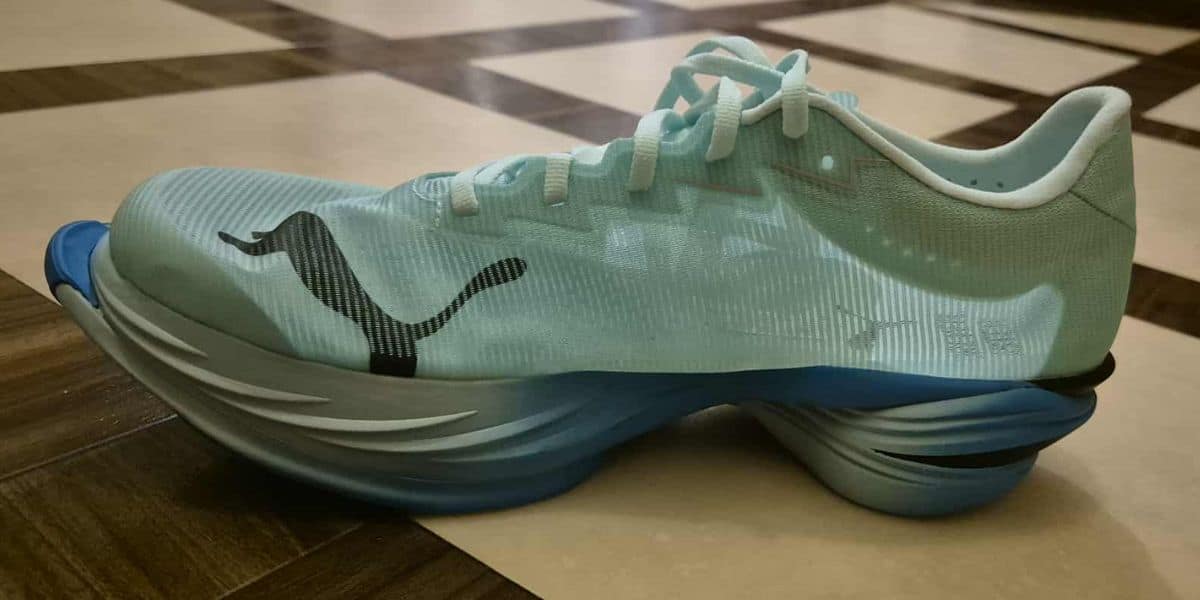
For races from 5K through marathon distances, I rely on the PUMA Fast-R Nitro Elite 3. This shoe has become my primary race day weapon for several key reasons:
Why it's in my rotation: The unique combination of bouncy energy return similar to the Nike Alphafly with aggressive forward propulsion reminiscent of the Vaporfly creates a distinctive ride that delivers both comfort and speed. At just 170 grams for a US size 9, it's among the lightest super shoes available, contributing significantly to that effortless speed sensation on race day.
Performance highlights: The NITROFOAM ELITE technology provides incredible energy return while the extended PWRPLATE carbon fiber system maximizes forward propulsion. During my 5K race in wet and windy conditions, I achieved 15:37 while the shoe maintained excellent grip throughout.
Best for: Personal best attempts from 5K through marathon, race-specific tune-up workouts
Read my full PUMA Fast-R Nitro Elite 3 review here
Interval Training: Asics Metaspeed Edge Paris

Asics Metaspeed Edge Paris
The Asics Metaspeed Edge Paris is my go-to shoe for speed workouts and interval sessions on the track.
Why it's in my rotation: As a cadence-based runner who increases turnover when picking up pace, the Edge Paris is perfectly suited to my running mechanics.
Performance highlights: The FF TURBO PLUS foam delivers softer landings while providing superior energy return. What impressed me most during testing was how relatively fresh my legs felt the following day after hard track sessions—the foam seemed to reduce muscular damage, allowing for quicker recovery between quality workouts. At 185 grams for a US size 9, it feels incredibly light on foot.
Best for: Track intervals, 10 × 1 minute sessions, 6 × 1km workouts at 10K pace, speed work
Read my full Asics Metaspeed Edge Paris review here.
Tempo Runs: Nike Zoom Fly 6

For threshold work and tempo sessions, the Nike Zoom Fly 6 strikes the perfect balance between performance and versatility.
Why it's in my rotation: The dual-layer midsole featuring ZoomX foam and SR-02 foam ensures a responsive yet stable ride. The carbon Flyplate provides noticeable propulsion without the harshness some runners experience in pure racing shoes. It's still light enough for uptempo work while durable enough for regular training.
Performance highlights: The Zoom Fly 6 performs exceptionally well during steady runs and long runs with marathon-pace segments. I recently completed a 30K run, averaging 4:00 per kilometer, with minimal soreness the next day. The outsole provides excellent traction even in wet conditions.
Best for: Tempo runs, threshold work, long runs with pace work, steady efforts between 4:00-5:00 min/km
Read my full Nike Zoom Fly 6 review here.
Steady Miles: Asics Megablast

For my daily training miles and steady runs, I use the Asics Megablast—a versatile super trainer that handles everything from easy pace to moderate efforts.
Why it's in my rotation: The Megablast features FF Turbo² foam, Asics' newest super foam that feels bouncy and soft when you first put the shoe on. With 45mm of stack height in the heel, it provides plenty of cushioning for longer efforts while maintaining enough responsiveness for when I want to inject some pace into steady runs.
Performance highlights: The Megablast is remarkably light for a max-cushioned trainer. The plateless design provides excellent energy return without the aggressive feel of carbon-plated shoes. The ride feels energetic yet stable, and the ASICSGRIP rubber outsole delivers exceptional traction.
Best for: Daily training runs, easy long runs, steady-state efforts
Read my full Asics Megablast Review here
Stability Support: Brooks Adrenaline GTS 22

As someone whose left foot pronates slightly more than ideal, the Brooks Adrenaline GTS 22 provides essential stability support for certain training runs.
Why it's in my rotation: The GuideRails technology provides support exactly where and when I need it, helping control overpronation while allowing natural foot movement. Unlike many stability shoes, the Adrenaline surprised me with how responsive it feels even at sub-4-minute kilometer pace.
Performance highlights: The DNA LOFT cushioning delivers a smooth, comfortable ride that works across various training paces. The ground feel and feedback are excellent, far more connected than many modern trainers, which I appreciate for building foot strength.
Best for: Easy runs requiring stability support, steady runs, occasional tempo work, high-mileage days
Read my full Brooks Adrenaline GTS 22 review here.
Building Your Running Shoe Rotation
Building a running shoe rotation starts with finding a properly fitting daily trainer.
This versatile pair will be the foundation of your rotation, providing comfort and support for various types of runs.
As you become more experienced and your training intensity increases, you can gradually include specialized shoes for specific runs.
Avoid wearing the same shoe on consecutive days to maximize the benefits of your rotation and ensure each pair has time to recover between runs.
Start with a Versatile Pair
For beginners, starting with one versatile daily trainer would be my recommendation.
This shoe should fit well and support your running style, offering a balance of comfort and support.
Selecting the right daily trainer can enhance your running experience and overall performance.
Starting with a versatile second pair lays a solid foundation for building a more extensive shoe rotation in the future.
Add Specialized Shoes Gradually
As your training intensity increases, it's beneficial to introduce shoes for specific runs gradually.
Frequent trail runners may consider adding trail-specific shoes to their rotation to handle different trail conditions. When choosing a trail shoe, consider the type of terrain you will be running on to ensure optimal performance and comfort.
Whether it's speed workouts, long runs, or trail runs, having the right shoe for each type of run can make a significant difference in your training outcomes.
Gradually adding specialized shoes tailors your rotation to evolving running goals.
Summary
Mastering your running shoe rotation is an essential strategy for any runner looking to optimize performance, reduce injury risk, and extend the lifespan of their shoes.
By understanding the benefits of rotating running shoes and incorporating different types of shoes into your rotation, you can tailor your running gear to your specific needs.
As a UESCA-certified coach with over two decades of competitive running experience, I can confidently say that implementing a strategic shoe rotation has been instrumental in maintaining consistency, avoiding injuries, and achieving personal bests.
My current five-shoe rotation—from the lightweight PUMA Fast-R Nitro Elite 3 for race day to the stability-focused Brooks Adrenaline GTS 22 for certain training runs—ensures I have the right tool for each run.
Frequently Asked Questions
How many pairs of running shoes do I need?
You really should have at least two pairs of running shoes to boost your performance and keep your feet healthy. Rotating them can help prevent injuries and make your shoes last longer. As a competitive runner, I maintain five pairs to cover all training scenarios, but starting with two quality pairs is perfectly adequate for most runners.
What types of shoes should be included in a running shoe rotation?
To keep your runs fresh and effective, include daily trainers, speed workout shoes, race day shoes, and trail running shoes in your rotation. This variety helps you tackle different terrains and training intensities, enhancing your overall performance.
Can rotating running shoes improve my performance?
Absolutely! Rotating your running shoes can boost your performance by ensuring you have the right pair for each run, enhancing comfort and efficiency while helping you reach your goals. From my experience as a 31-minute 10K runner, strategic shoe rotation has been essential to maintaining high training volumes while staying injury-free and performing at my best on race day.
Scientific References
This article is supported by research on running shoe rotation and biomechanics:
- Malisoux, L., Ramesh, J., Mann, R., Seil, R., Urhausen, A., & Theisen, D. (2015). "Can parallel use of different running shoes decrease running-related injury risk?" Scandinavian Journal of Medicine & Science in Sports, 25(1), 110-115. [PubMed: 24286345]
- Allen, T., Pagan, M., Martin, R., & Duncan, O. (2020). "Effect of Rest Periods on Mechanical Ageing of Running Shoes." Proceedings, 49(1), 138.
- Rodrigo-Carranza, V., Hoogkamer, W., González-Ravé, J. M., Horta-Muñoz, S., & Serna-Moreno, M. C. (2023)."Influence of different midsole foam in advanced footwear technology use on running economy and biomechanics in trained runners."
